Enhancing SEO Strategies with Neuromarketing: A 2024 Perspective
Discover how neuromarketing techniques can transform your SEO strategies in 2024, with insights into consumer behavior and decision-making processes.
Introduction to Neuromarketing and SEO
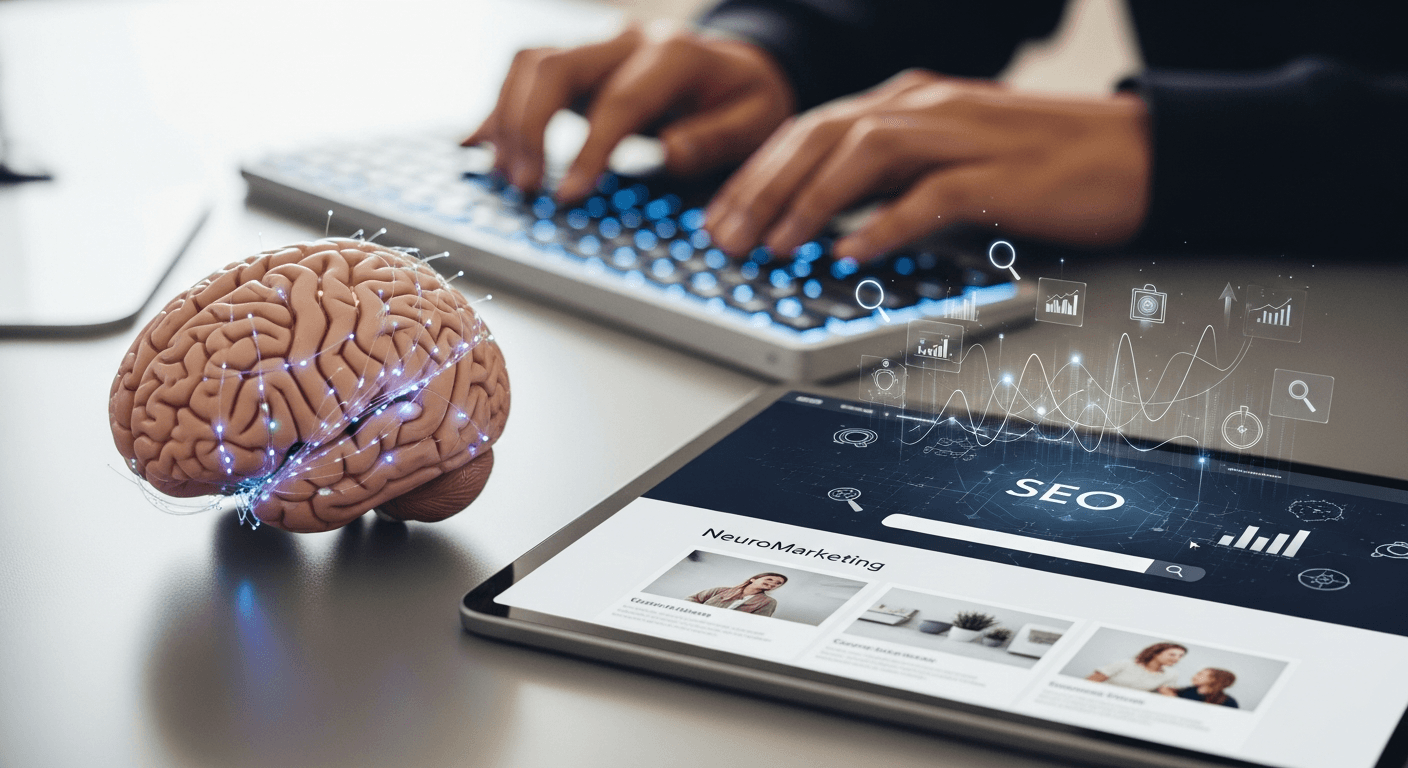
In the evolving landscape of digital marketing, the fusion of neuromarketing and SEO is becoming increasingly significant. Neuromarketing, the study of how the brain responds to marketing stimuli, provides invaluable insights into consumer behavior. SEO, or search engine optimization, focuses on improving website visibility in search engine results. Together, these two disciplines can create a powerful strategy to enhance marketing effectiveness and drive business growth.
Traditional SEO strategies concentrate on keywords and technical optimization. However, with the integration of neuromarketing, businesses can delve deeper into understanding the psychological triggers that drive consumer decisions. By aligning these insights with SEO strategies, companies can improve user engagement, increase conversion rates, and foster brand loyalty. This combination allows for a more holistic approach to digital marketing, where the emotional and cognitive needs of consumers are prioritized alongside technical SEO requirements.
This article explores the intersection of neuromarketing and SEO, offering a comprehensive guide to leveraging psychological insights for enhanced digital marketing strategies in 2024 and beyond. Whether you are a seasoned marketer or new to the field, understanding how to merge these disciplines can provide a significant competitive edge.
Understanding Consumer Behavior through Neuromarketing
Neuromarketing studies utilize advanced technology such as EEG, fMRI, and eye-tracking to observe how consumers respond to various stimuli. These studies reveal how emotions, memories, and cognitive responses influence purchasing decisions. By understanding these responses, marketers can tailor their strategies to meet consumer needs more effectively. For example, understanding that certain colors evoke specific emotions can guide the design of marketing materials to align with the desired emotional response.
Emotional triggers and their impact on decision-making
The role of visual and auditory stimuli in marketing
By tapping into these subconscious preferences, businesses can create content and advertising that resonates on a deeper level with consumers. This knowledge is not just beneficial for creating compelling ads but is also crucial for designing websites and crafting content that attracts and retains users. For instance, using emotionally resonant images and carefully chosen language can significantly enhance user interaction and satisfaction.
Understanding the emotional impact of your content can significantly boost its effectiveness and engagement. Remember, the brain often makes decisions before the conscious mind is aware, so appealing to emotions can be a key factor in influencing behavior.
Integrating Neuromarketing Insights into SEO Strategy
Integrating neuromarketing insights into SEO strategy involves understanding the emotional and psychological triggers that affect search behavior and online interactions. By identifying these triggers, SEO professionals can craft content that not only ranks well but also connects profoundly with users. Emotionally charged keywords, for instance, can significantly affect search intent and content relevance.
For instance, incorporating emotionally charged keywords can enhance content relevancy and retention. Similarly, understanding visual preferences can guide the design of user-friendly and visually appealing web interfaces. The goal is to create a seamless user experience that aligns with the natural inclinations and expectations of your target audience. This might also involve A/B testing different content formats or layouts to determine what resonates best with your audience.
Utilize emotionally resonant keywords
Design websites with user-centric aesthetics
Create content that aligns with consumer values and beliefs
By focusing on these elements, businesses can ensure their SEO strategies are not only effective in improving search rankings but also in driving meaningful engagement and conversions. This approach not only boosts immediate metrics like click-through rates but also fosters long-term loyalty by creating a more personalized and emotionally satisfying user experience.
Case Studies: Successful Neuromarketing Applications in SEO
Several companies have successfully integrated neuromarketing insights into their SEO strategies, resulting in improved user engagement and higher conversion rates. For example, a leading e-commerce brand utilized eye-tracking technology to optimize their website layout, enhancing user experience and increasing sales by 25%. This was achieved by analyzing which areas of the page received the most attention and restructuring content layout accordingly.
Another notable case involves a digital media company that analyzed consumer emotional responses to various content formats. By aligning their content strategy with these insights, they increased their average session duration by 40%, demonstrating the power of neuromarketing in fostering deeper user engagement. This approach not only improved page views but also encouraged more social shares and interactions, amplifying their reach and influence online.
Real-world case studies highlight the tangible benefits of integrating neuromarketing into SEO strategies. These examples serve as a testament to the potential of these techniques to transform digital marketing practices.
Future Trends: The Convergence of Neuromarketing and SEO
The future of digital marketing lies in the deeper integration of neuromarketing and SEO. As technology advances, the tools available for understanding consumer behavior will become more sophisticated, allowing for even more precise targeting and content personalization. Marketers will increasingly rely on AI-driven insights and machine learning to predict consumer preferences and tailor experiences accordingly.
Emerging trends include the use of AI to analyze neurological data and predict consumer behavior, as well as the integration of virtual reality to create immersive brand experiences. These innovations will enable marketers to create highly personalized and emotionally resonant content, driving engagement and brand loyalty. Furthermore, as privacy concerns grow, ethical considerations in data collection and neuromarketing practices will become paramount, shaping how these strategies evolve.
The intersection of neuromarketing and SEO will redefine how brands connect with consumers, creating more meaningful and impactful digital experiences.
By staying ahead of these trends, businesses can ensure they remain competitive in the ever-evolving digital landscape. The convergence of neuromarketing and SEO will not only enhance marketing effectiveness but also foster long-term consumer relationships. As companies continue to innovate and adapt, those that effectively integrate these strategies will lead the way in setting new standards for digital marketing excellence.