SEOSeptember 22, 2026
Innovative SEO Techniques: Embracing Synesthetic Web Design in 2026
Discover how synesthetic web design can transform your SEO strategy in 2026, enhancing user experience and boosting rankings with sensory integration.
Understanding Synesthetic Web Design
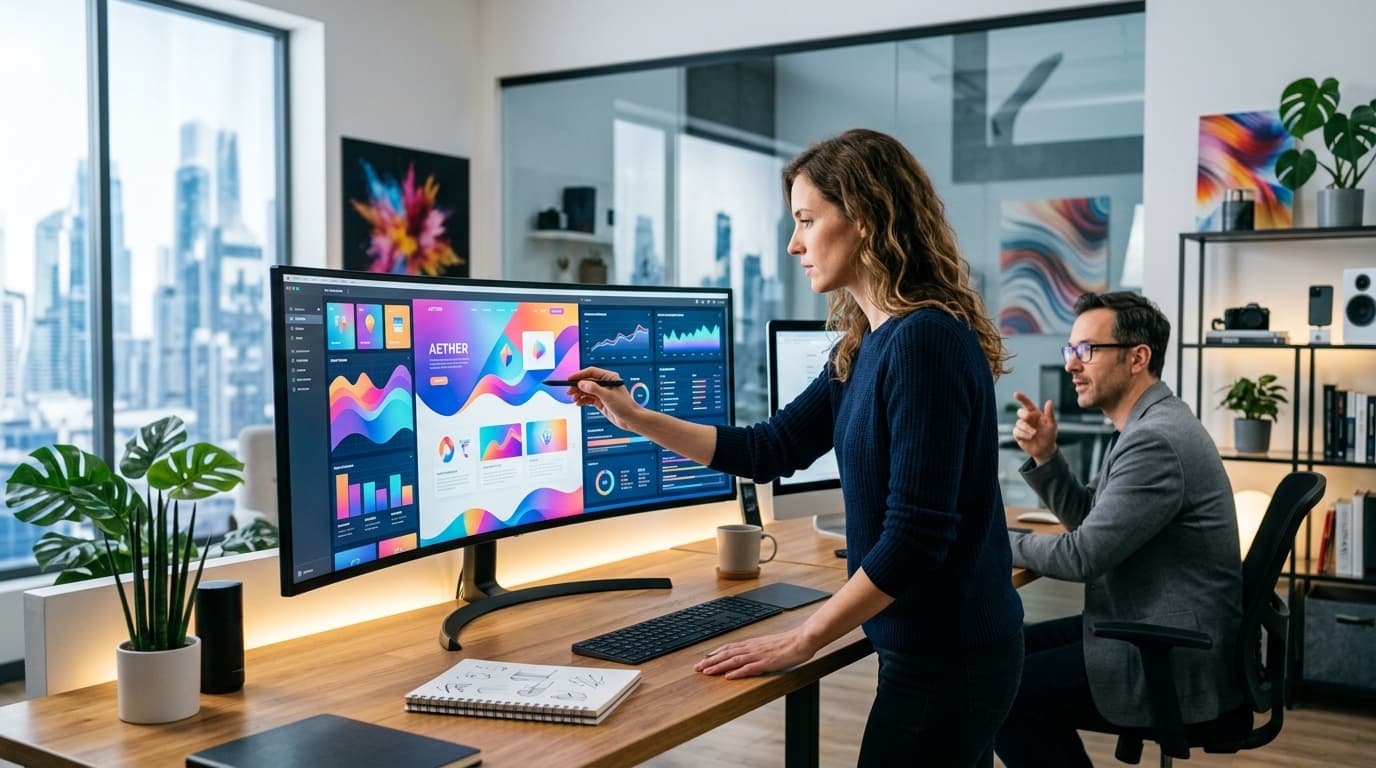
In 2026, web design has evolved to embrace synesthetic principles, integrating multiple sensory experiences to enhance user engagement. Synesthetic web design is inspired by synesthesia, a perceptual condition where stimulation of one sensory pathway leads to involuntary experiences in another. This approach combines visual, auditory, and tactile elements to create a holistic digital experience that resonates on multiple levels, aiming to improve user interaction and retention. This form of design is not just about aesthetics; it brings a practical dimension to digital interfaces, aiming to make interactions more intuitive and engaging.
The integration of these multisensory elements is not merely aesthetic but functional, enhancing the way users interact with content. By appealing to different senses simultaneously, websites can create a more immersive experience, leading to increased engagement and satisfaction. This approach is particularly effective in differentiating brands and establishing a unique online presence, which is crucial in the highly competitive digital landscape of 2026. For instance, an e-commerce site might use a combination of soft background music and tactile feedback on buttons to simulate the ambiance of a physical store.
Synesthetic web design also considers accessibility, ensuring that users with different sensory abilities can have a consistent and enriching experience. By leveraging technologies such as haptic feedback, ambient soundscapes, and dynamic color schemes, designers can craft web experiences that are inclusive and engaging for all users, regardless of their sensory preferences or limitations. This is particularly important as the web becomes more inclusive, with legal frameworks increasingly demanding accessibility features that cater to all users.
The Role of Sensory Integration in SEO
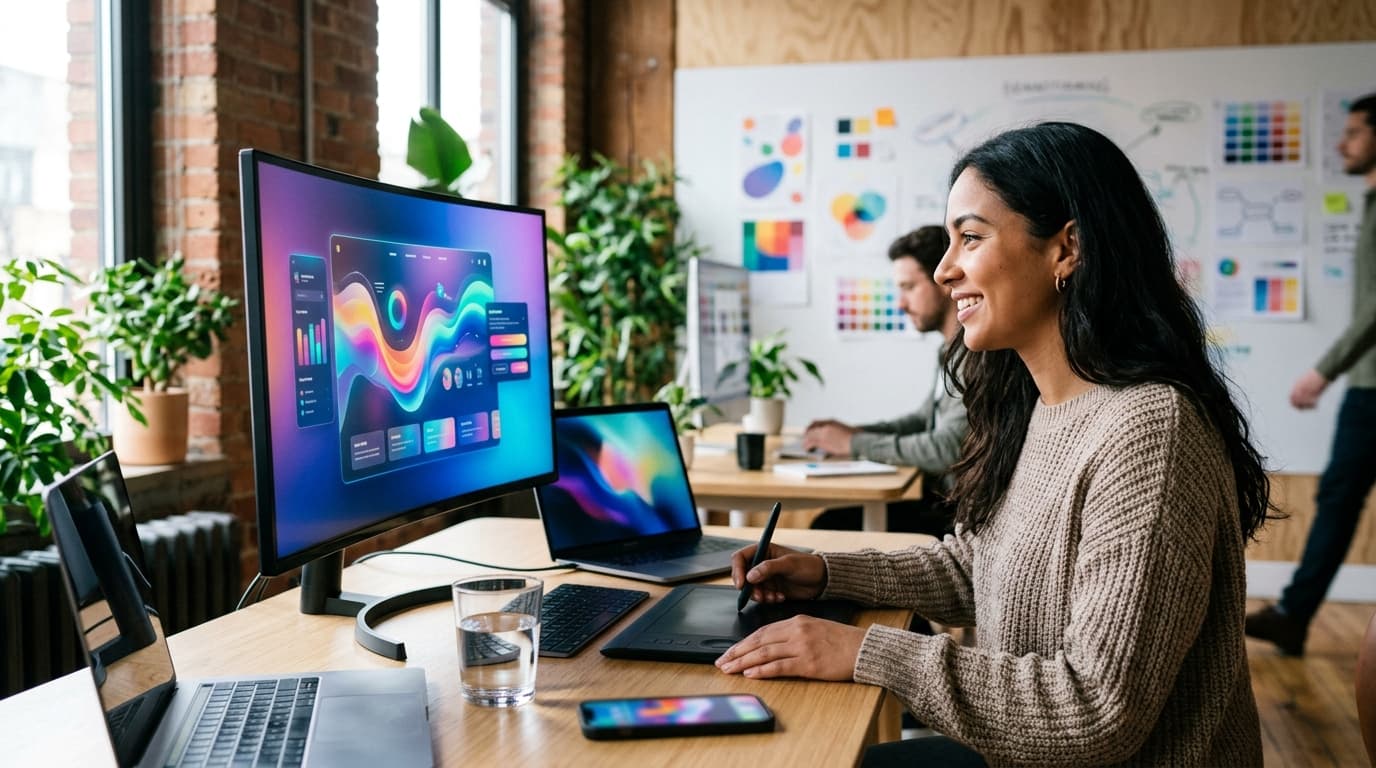
Sensory integration is a critical factor in modern SEO strategies, as search engines increasingly prioritize user experience (UX) signals. In 2026, these signals include engagement metrics such as time on site, bounce rates, and interaction rates, which are directly influenced by the sensory richness of a website. By incorporating multisensory design elements, websites can significantly improve these metrics, leading to better search rankings and visibility. These improvements in user engagement metrics are a direct result of the emotional and cognitive responses evoked by a well-designed sensory experience, which can make a lasting impression on users.
Search engines are becoming more adept at interpreting UX signals, understanding that a well-designed, multisensory web experience often correlates with higher user satisfaction and engagement. This understanding translates into improved SEO performance, as sites that effectively implement sensory integration are often rewarded with higher rankings. For example, a travel website that uses immersive video clips with corresponding ambient sounds can captivate users, encouraging them to spend more time exploring the site and planning their next vacation.
- Improved user engagement
- Lower bounce rates
- Higher conversion rates
- Enhanced brand loyalty

Enhancing User Experience with Multisensory Elements
Multisensory elements are key to creating memorable and engaging web experiences. By incorporating elements like soundscapes, tactile feedback, and dynamic visuals, designers can create environments that captivate users and encourage deeper interaction. For instance, a site might use subtle background audio to enhance the mood of a page, or implement haptic feedback to simulate physical interactions. These elements not only make the interaction more enjoyable but also help in conveying the message more effectively, thus ensuring that users remember the brand long after they have left the site.
These elements work together to form a cohesive narrative that guides users through the site, making content more memorable and impactful. By carefully selecting and combining sensory inputs, designers can craft experiences that not only attract but also retain users, fostering a deeper connection and loyalty to the brand. For example, an educational platform might use interactive video tutorials with synchronized sound effects and visual cues to enhance learning, making the material more engaging and easier to understand.
- Soundscapes for mood enhancement
- Haptic feedback for interaction
- Dynamic visuals for engagement
- Interactive storytelling
SEO Benefits of Synesthetic Design
Synesthetic design offers several SEO benefits, primarily by enhancing user experience and engagement metrics that search engines consider when ranking sites. By creating a more engaging and interactive environment, these designs help reduce bounce rates, increase time spent on site, and improve overall user satisfaction. These positive user experience metrics are crucial, as they indicate to search engines that the content is valuable and relevant, which can lead to better organic rankings.
Moreover, synesthetic design can lead to higher conversion rates, as users who are more engaged with a site are more likely to complete desired actions. This, in turn, sends positive signals to search engines about the relevance and value of a site, which can further boost its rankings. For example, a fashion retailer using virtual try-on features with realistic textures and lighting effects might see increased sales, as users feel more confident in their purchasing decisions.
Tip: Incorporate subtle multisensory cues to guide user behavior effectively. This can include using sound alerts for completed actions or visual changes to indicate progress.
Implementing Synesthetic Techniques in Your SEO Strategy
To implement synesthetic techniques effectively, start by analyzing your audience's preferences and behaviors to identify which sensory elements will resonate most. Once you understand your target audience, you can begin integrating multisensory elements that align with your brand's message and enhance the user experience. For instance, if your audience is primarily composed of tech-savvy individuals, incorporating interactive 3D models and AR experiences might be particularly effective.
Consider using tools and technologies that facilitate the integration of sensory elements, such as advanced CSS for dynamic visuals, audio libraries for sound integration, and APIs for haptic feedback. Testing and iterating on these elements will be crucial to ensure they enhance, rather than detract from, the overall user experience. Additionally, employing A/B testing can help determine which combinations of sensory inputs lead to the best user engagement outcomes.
Finally, monitor the impact of these changes on your SEO performance by tracking key metrics such as user engagement, conversion rates, and search rankings. This data will help you refine your approach and continue optimizing your site for both users and search engines. Regularly updating your content and sensory elements to reflect current trends and user preferences will keep your site relevant and engaging.
The future of web design lies in the seamless integration of sensory experiences.